
Black Spot (apple scab) detected recently in Manjimup
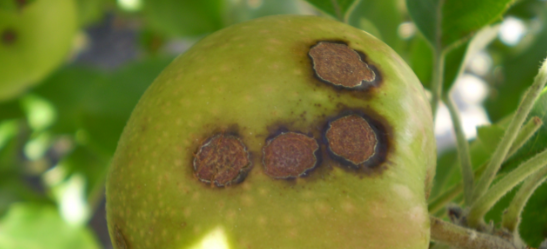
Inpacts of the fungal condition Venturia inaeualis a disease that occurs with weather conditions that support spone development and infection.
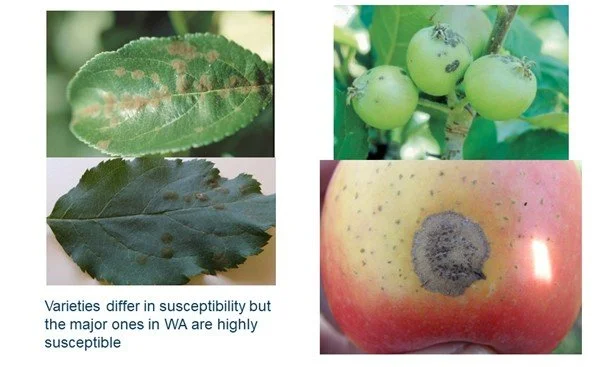
Apple Scab Detected in Manjimup: What Growers Need to Know This Season
Monitoring and good hygiene practises key to management
Recent reports confirm the presence of apple scab (black spot) caused by the fungus Venturia inaequalis, in Manjimup, an endemic disease that typically occurs at low levels in Western Australia, but has occurred due to favourable weather patterns that support spore development and infection.
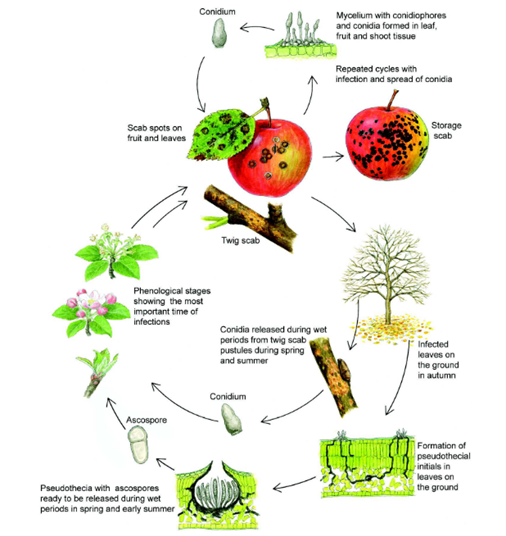
Apple scab affects leaves, flowers, fruit, shoots, and bud scales, thriving in cool, wet, humid conditions with young leaves and fruit being the most vulnerable. Spots appearing in December often stem from primary infections initiated during the cool, wet periods of spring.
Secondary Infections Through Summer
Secondary infections may continue throughout summer wherever black spots are already established and adequate moisture is present. Heavy dews, prolonged or overhead irrigation, and rainfall can all trigger new infections.
Spores spread readily via wind, equipment, clothing, insects and birds, and once deposited, require high humidity (>95%) and free moisture to germinate. Under suitable conditions (temperatures under 26oC), lesions can develop within days, allowing rapid and repeated infection cycles throughout summer.
While leaves gain some resistance roughly 16 days after emergence, fruit remain susceptible right up to harvest. Later season infections may be subtle taking 9 days for the visual lesions to appear at the optimal weather conditions and are often missed during picking, only to develop later as storage scab.
Inspection Priorities for Growers
Growers are advised to maintain regular, thorough monitoring across their orchards, focusing particularly on susceptible varieties such as Cripps Pink, Cripps Red, and Granny Smith.
When assessing blocks, be sure to inspect:
Both leaf surfaces and fruit
Slow‑drying or shaded areas
Edges near roadways and entry points
Both inside and outside of the canopy
“Water‑trap” areas where moisture lingers on leaf surfaces
Monitoring should continue after harvest, as older leaves become less resistant and Western Australia’s long, mild autumn favours disease spread. Leaves often fall slowly, giving spores continued opportunities to infect new tissue.
If an infection is found samples can sent through to Dr Andrew Taylor from DPIRD Bunbury for testing at Curtin University’s Centre for Crop and Disease Management (CCDM). These samples will support the research project being undertaken by Andrew on ‘DNA analysis and new monitoring tools to help devise orchard management strategies to reduce the fungicide resistance risk and help plant breeders identify genetic selections for future tolerant varieties’.
Reducing Winter Inoculum
Winter orchard sanitation remains a crucial step in reducing spring infection pressure. Recommended practices include:
Promoting leaf fall
Applying foliar urea
Mulching fallen leaves
These measures help break down infected material and reduce the reservoir of overwintering spores. Winter clean‑up should be treated as standard practice, similar to management approaches for pear scab, Mediterranean fruit fly, and Alternaria diseases.
Preventing Spread Between Blocks
If apple scab is confirmed in an orchard, growers should immediately implement strategies to limit movement into neighbouring blocks. This includes controlling traffic from machinery, picking bins, visitors, contractors, and work crews. Spores can also be transported via leaves, fruit, bins, tools, and workers, though moisture is still required for infection to occur.
A review of current farm practices is recommended to identify risks and implement practical solutions.
Chemical Management & Weather Monitoring
Weather forecasts and decision support tool RIMpro should be monitored closely to anticipate infection events. Where infections have occurred without prior protection, curative sprays should be applied within the product’s recommended kick‑back period.
Growers should review available chemical options and adhere to resistance management guidelines. A list of registered products for apple scab control is available in the Orchard Plant Protection Guide for Deciduous Fruit in NSW 2025–26.
Orchard plant protection guide for deciduous fruit in NSW 2025–26